The First Annual All State Read- An Act of Solidarity for Children’s Health Video
May 2nd, 2013 by Joy Feldman

 When did we as a society become so disconnected from the food we eat that we no longer know how it affects our body and our health? A few weeks ago, we watched Gov. Christie on The Jay Leno Show parody his obesity struggle by eating a cherry donut, even though he knows it’s a serious health issue. This disconnect received more attention than a sobering statistic released by the American Heart Association at the current obesity growth rate, total health care costs directly attributable to overweight and obesity could reach $861 to $957 billion by 2030, accounting for 16% to 18% of U.S. health expenditures.
The disconnect between real food and health is even more staggering when we talk about our children’s health; Jamie Oliver’s Food Revolution showed us unhealthy American school lunches and his struggle to introduce healthier foods to school-aged children. How shocking, moreso than the school lunches, was when he would hold up produce such as tomatoes or potatoes, and elementary-aged children, again and again, could not identify even the most common of foods. And one wonders why the obesity rate is soaring for our young people?
The childhood obesity rate has more than doubled since 1980, and the number of children considered obese has shot past 12 million. Obesity is now considered a national epidemic, spurring a cocktail of kindred ailments: coronary heart disease, Type 2 diabetes, cancers, hypertension, dyslipidemia, stroke, liver disease, sleep apnea, osteoarthritis and gynecological problems. And the disconnect continues between what we consume and health. Take soda for example. The health hazards of drinking this sweetened carbonated beverage is no secret and yet American children and adolescents continue to imbibe this product as the largest source of sugar in their diet. A Yale University Rudd Center for Food Policy and Obesity Study supports this fact, yet sadly we continue as a nation to rank first among countries in soft drink consumption. Approximately one half of the population consumes sugary drinks any given day. The per capital consumption of those sugary bubbles is in excess of 150 quarts per year per person, or three quarts per week. The relationship between soft drink consumption and body weight is so strong that researchers calculate that for each additional soda consumed, the risk of obesity increases 1.6 times.
It is time for us, and for our children to learn that they are what they eat. The early years are crucial for children’s health because young people have tremendous internal demands on their bodies for development. They are building a system and laying a foundation of health for a lifetime. Vitamin and mineral-rich diets are crucial to children’s healthy development and ensure that biochemical processes trigger excellent energy production. Appropriately sized nutrient dense meals (proteins, vegetables, whole grains and healthy fats) are needed to power the complex biochemical processes required to optimize metabolism, which minimizes the risk of many health issues. This is the perfect time to nurture, guide, and model healthy eating to ensure optimal health for our children’s futures; we are at a juncture where we need to empower children to learn what healthy foods are and are not, and to help them become their own best advocates when asking for and receiving meals.
On March 11 the first annual RI Statewide Read will take place as an act of solidarity on behalf of children’s health. (March 12th in Warwick and Narragansett) Over 75,000 students at more than 200 schools, libraries, youth programs, and health centers throughout the state will participate in the Statewide Read event of Is Your Hair Made of Donuts?, a book I wrote and published to speak directly to young children and engage them with a fun story line they can relate to – but with a serious underlying message. If my book has one point to make it is that “you are what you eat.” This event recognizes March as National Nutrition Month – the 40th anniversary of nutrition awareness.
As this event was being organized, literally one school, one library being recruited at a time, we began to seek out guest readers and we are pleased to announce that RI Governor Chaffee, Dr. Fine, Director of the RI Dept. of Health, Warwick Mayor Avedisian, Central Falls Mayor Diossa, Woonsocket Mayor Fontaine, Cranston Mayor Fung, Pawtucket Mayor Grebien, North Providence Mayor Lombardi, Johnston Mayor Polisena, and Providence Mayor Tavares, will be spanning out across the state to read to young children. Other readers are Eva Marie Mancuso, Chair of RI Board of Education, NBC10’s Molly O’Brien, State Capitol TV Host Dave Barber, Chief Medical Officer Renee Rulin, M.D. of UnitedHealthcare, and Rep. Frank Ferri (Warwick), parents, faculty and others. Nine corporate sponsors are also joining to provide support, including books, educational materials, and healthy snacks. These are, Blue Cross Blue Shield of RI, Champion Juicers, Dr. Day Care, East Side Marketplace, Sodexo, UnitedHealthcare United Natural Foods (UNFI), Walgreens, and Whole Foods Market. The Boys & Girls Club of East Providence is providing administrative support.
Today children are faced with a deluge of junk food choices the moment they step away from their doors. Nutrition and what children eat are inextricably tied to their well-being. The perilous effects of obesity will continue to plague our children if we do not muster up the courage to stand for change; It is imperative that we begin to reeducate our children on the ABC’s of optimal nutrition and the benefits of nutrient-dense foods so that our young people can flourish and develop into healthy adults.
By modeling healthy behaviors for our children, we can reverse the mindless eating trends that have now become commonplace and acceptable in our country. I believe we can empower our children by educating them, inspiring them, and exposing them to how good ‘good food’ can taste. The theme for Nutrition Month is “Eat Right, Your Way, Every Day” – but I raise the more serious question “do we have the courage to stop this?” The smallest state in the country is leading the way this March, and by the outpouring of support, we have stood up and said, yes, we have the courage. We can set a lasting example for the entire country – beginning here, beginning now.
Summary of Nutritional Balancing Program
Nov 27th, 2012 by Joy Feldman
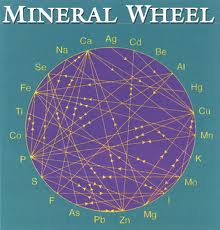
I thought it would be helpful, especially as we approach the holiday season, to provide you with a brief summary of the various aspects of the Nutritional Balancing program. Each aspect of the program forms a system that, when done correctly in combination, has a powerful healing effect on most physical, as well as mental and emotional conditions. According to Dr. Wilson, most people achieve a level of health far above what many believe is possible. Below please find some of his suggestions.
WHAT TO EAT
Most of us are confused as to what to eat. Each day the media pounds of with contradictory research as to what are the healthiest foods for optimal health. Below, you will find a basic healthful diet, according to the principles of nutritional balancing science. If you elect to follow a complete nutritional balancing program based on a properly performed and correctly interpreted hair mineral analysis, this diet will be adjusted somewhat.
GENERAL SUGGESTIONS
1. Eat large amounts of cooked vegetables at least three times daily, and NOT raw vegetables. You will obtain many more minerals from cooked vegetables than from raw ones, cooked is cleaner, and the losses due to proper cooking are minimal. Do not eat many salads for this reason.
2. With your cooked vegetables, eat ONE protein OR ONE starch at a meal. In other words, do not mix meat and eggs at one meal, as these are both proteins. Also, do not mix rice and corn tortillas, for example, at the same meal, as these are both starches. The reason for simple meals is to ease digestion. It is fine to have 4 or even 5 meals daily. However, do not just graze or snack all day. Have sit-down, relaxed meals.
For example, you may have a cooked vegetable or two with a chicken thigh or two. Then, a few hours later, have a cooked vegetable or two with a starch such as brown rice, corn tortillas or quinoa. These are simple food combinations and much easier to digest. You may also have just a cooked vegetable meal, for example, or just some lamb chops. Eating only one food per meal is even easier to digest, and usually best, although some people find it boring. Babies and young children usually prefer to eat this way, as do many so-called primitive people, as it works very well. it is especially recommended if your digestion is weak.
Here are more details:
COOKED VEGETABLES
Fill two-thirds of your plate or more! with cooked vegetables at least three every day. Seventy to eighty percent of your diet should be cooked vegetables, not raw vegetables. Eat cooked vegetables three times daily to get enough.
Vegetables provide many nutrients such as vitamins, minerals, amino acids and fiber. They also increase the alkalinity of the body more than any other food group. This is important today because the balance of the pH is a factor in healing. Do not try to alkalinize the body with a water machine, however. These are not safe, in my experience, no matter what the sales people contend. They usually use tap water and may contain toxic metals. The best vegetables are:
1. Root vegetables. These include carrots, onion, garlic, ginger, rutabaga, turnips and celery root, and to a lesser degree beets, yams and sweet potatoes.
2. The cabbage (or crucifers or brassica species). Broccoli, Brussels sprouts, cabbage, cauliflower, kale, collard greens, mustard seed, mustard greens, bok choy, Chinese cabbage or Napa cabbage. It also includes turnips and rutabaga. The cruciferous vegetables are wonderful foods and some should be eaten daily. They all must be cooked about 30 minutes to completely remove a substance that otherwise can slow the thyroid a little.
3. Greens such as spinach, carrot greens, kale, mustard greens, beet greens, carrot greens, Swiss chard and others are also very good. Celery is also okay when cooked.
4. Peas and green beans, both fresh and frozen, are also very good. A bag of frozen peas cooks in five minutes and makes an excellent, tasty and filling snack or even an entire meal.
5. Winter squashes and pumpkin. Winter squashes (acorn, spaghetti and butternut squashes) and pumpkin are not quite as good because they are more yin, but okay once or twice a week if you wish. They are actually fruits, as they contain seeds.
Vegetables to avoid. Avoid the nightshade vegetables, which are too yin and slightly toxic for regular consumption. They include tomatoes, white and red potatoes, eggplant and all peppers, such as sweet and hot peppers, and table pepper, which is usually rancid. A little cayenne pepper as a spice is fine, but avoid very hot spicy food.
Others to minimize or avoid include zucchini, summer squashes, okra, asparagus, artichokes, mushrooms and cucumbers. These are all too yin or a bit toxic. Otherwise, the vegetables, always cooked, are superb foods.
Remember to cook your vegetables always. I know many health authorities recommend raw vegetables. However, I find that people do not absorb enough minerals from raw foods, including salads. Also, raw vegetables are too yin, and in restaurants often unclean. You can have a cooked vegetable salad if you prefer, but not a raw salad. To read more, read Raw Food on this website.
PROTEIN
Eat protein twice daily or even a little with each meal, if it helps you. Protein foods, especially those of animal quality, offer many nutrients including zinc, selenium, sulfur, many vitamins, essential amino acids, essential fatty acids and much more. Please do not follow a vegetarian diet for this reason. Portion size can be 3-5 ounces or so for adults.
Meats. Among the best protein foods are lamb, chicken, eggs, and turkey. Some wild game is very good. Beef is not quite as good, though naturally-raised, grass-fed beef is okay about once a week.
Dairy products. Raw dairy is an excellent food for most people, unless one is allergic to dairy. This can include raw goat or raw cows whole milk, plain yogurt, raw kefir or raw cheeses. However, do not drink more than 4 ounces of milk daily, as it is quite yin.
Goat products tend to be a little better than cow dairy, although not always. Go to www.realmilk.com to help find raw dairy products, or ask around in your town, as many towns have people who can supply raw dairy products, even if they are not yet legal.
Most pasteurized dairy products are not nearly as good and should be avoided. If you absolutely cannot find raw dairy, look for organic dairy products, though they are not as good as the raw ones. The laws prohibiting raw dairy products are insane, and simply a way to control the milk supply. They need to be changed.
Soft-cooked eggs are a wonderful and very inexpensive protein food. Most people can have eggs three times a week or more. Up to 6 or 8 eggs weekly are good for most people. Be sure to cook eggs soft, with the yolk runny. This means either soft boil them for 3-4 minutes, or eat them poached or soft in some other way.
Fish. Avoid most fish, and all seafood and shellfish due to toxic metal contamination.
The exception is that 3-4 cans of sardines weekly are excellent for adults, and less for children. They are acceptable because they are very small, so they do not accumulate much mercury. They are also excellent sources of vitamin D, omega-3 fatty acids, and an important form of selenium.
Avoid all other fish and definitely avoid all shellfish or seafood. Most are contaminated with mercury. Wild caught fish are no better in most cases, though they are fed better.
Nuts, seeds and nut butters. Nuts and seeds are hard to digest and more yin, although they are nutritious. So limit them. An exception is that some toasted almond butter several times weekly is good for most people. A little of the other nut or seed butters is okay, on occasion.
Proteins to avoid. Pork, ham and all pig products may contain parasitic infections, even if well-cooked. Also reduce beef, though some naturally raised beef is okay occasionally. Most beef cattle are very hybridized and less healthful. Avoid all processed meats and American cheese or “cheese food”. Also avoid organ meats, as they are toxic with heavy metals, unfortunately.
Smoothies, protein powders, whey powder and other shakes. I much prefer whole foods to any type of powders or meal replacement drinks. The reasons are 1) smoothies generally require something sweet with them, which is yin. 2) they are often bad food combinations, and 3) they mix too much water with the food, which is very bad for digestion.
For best digestion, stay with whole, natural foods and avoid all smoothies.
WHOLE GRAINS
About 10% of the diet may be cooked grains. While these can be excellent foods, many people do not handle them well due to yeasts in the intestines and other intestinal difficulties. The best whole grains for most people are organic blue corn, as in the blue corn organic tortilla chips or blue corn tortillas. Others are brown rice, white Basmati rice, quinoa, millet, and amaranth.
Others, provided you don’t have gluten sensitivity, include rye, oats, and barley. However, many people feel better without any gluten in their diet.
Avoid wheat and spelt in all forms. Wheat is a very hybridized food, like beef and some dairy today. As a result, wheat has become an unbalanced and inflammatory food. An important habit change is to avoid all foods made with wheat such as most breads, pastries, cakes, cookies, flour tortillas, hot and cold cereals, soups thickened with flour, and wheat pasta. Wheat pasta is less processed and a little better, but still best avoided. If you want pasta, use rice, corn, quinoa or other non-wheat pasta.
Also avoid buckwheat, which is a variant on wheat.
Always cook grains thoroughly. Avoid granola, trail mix and muesli, which may not be well-cooked. Grains are best eaten freshly cooked, if possible. However, pasta made from corn, rice or quinoa, and organic blue or yellow corn chips are fine, as are blue or yellow corn tortillas.
FATS AND OILS
These are extremely important foods, especially for fast oxidizers. Good sources of fats and oils are raw dairy products, good quality eggs, meats, some olive and other types of unrefined oils, and a little nut and seed butters. Most people need between one and three tablespoons of fats daily.
Avoid most French fries and other deep fried foods, as the oil is often overheated and damaged. Avoid coconut oil and palm oil. Some health authorities recommend these oils, and a little is fine, but they are too yin in Chinese terminology for regular use.
FRUIT AND SWEETS
Avoid all fruits, which I find are not good for almost everyone today. They are almost all hybrids that are too sweet, and they have less nutrition than most other natural foods. They are also very yin in Chinese medical terms. Fruits often upset the blood sugar level and very often contribute to intestinal diseases such as yeast infections. Also, while technically alkaline-forming, most people cannot utilize them properly and they acidify the body, at times. Most also contain a toxic form of potassium due to the use of N-P-K fertilizers.
Do your best to change your eating habits to avoid all fruit and sweets, perhaps with the exception of a few berries for desert on occasion, or a rare piece of apple or other juicy fruit in the summer during the fruit’s season. A few olives are also fine, especially the Botija olives from Peru.
Avoid all dried fruit, fruit juices and tropical fruits such as citrus fruit, pineapple, mangos, bananas and others. For more on this important food, readFruit-Eating on this website.
Also avoid all sugars, if possible. Do not substitute artificial sweeteners if possible. If you must, use a little stevia as a sweetener. Less desirable are raw honey, agave syrup or maple syrup. All the sweeteners are extremely yin and thus not healthful today.
BEVERAGES
Plain water should be your main beverage. Finding healthful water to drink is extremely important, in our experience. Spring water that is bought in plastic bottles or delivered to your home is fine. An alternative is to go toWWW.FINDASPRING.COM to perhaps find a spring near you where you can fill up your own water jugs. Spring water provides many minerals the body needs and it is untampered with.
If you cannot afford spring water, the next best water is usually carbon-filtered tap water. Do not use fancy multi-stage water filters. Use a carbon filter only. The others may clean up the water, but they appear to damage it as well.
Besides pure water, only mild teas hydrate the body perfectly. These include black or green tea, chamomile, hibiscus, mint, strawberry leaf and other mild herbal blends. Please do not add sweeteners to them, if at all possible.
Almost all adults need to drink three (3) quarts of water each and every day. An excellent habit is to drink up to 1 quart of healthful spring water upon arising in the morning.
Avoid all reverse osmosis water, such as “purified water”, “drinking waters”, and others. RO does not hydrate the body as well, and is devoid of minerals and very yin. Avoid water machines such as alkaline water machines. Read Water For Drinking on this website for much more on water.
Also avoid alkaline water, and almost all “designer” or fancy waters sold in health food stores and elsewhere. Too often, these are made with reverse osmosis water or other types of water that do not hydrate the body as well.
Avoid adding minerals to your water. In all cases, so far, this detracts from the overall quality of the water because water is a type of living food. Randomly adding minerals to it damages the quality of the water, which is extremely complex.
OTHER BEVERAGES
Water should be your main beverage. A cup or two of a mild tea daily is fine. One cup of coffee daily is fair, but okay if desired. Do not drink kombucha tea. A little coconut water is okay, but it is quite yin.
Avoid all fruit juice. Do not add fruit to carrot juice unless a child, perhaps, demands a little to accept the taste of carrot juice. Also, avoid drinking more than 12 ounces of juice, as this is not needed or helpful.
Avoid all soda pop, “energy drinks” and strong sweetened teas. Also avoid kombucha tea and alcohol in all forms, as much as possible. A small glass of wine or beer is okay once in a while, if desired, but not good for one’s health. Wine is often the most contaminated alcoholic beverage, as many pesticides are used on grapes.
Herbs and condiments. Use sea salt with your cooking. However, do not drink water with sea salt in it. Strictly avoid table salt, a very poor quality product.
Some nutritional yeast and rice polishings are excellent additions to any diet. Mustard is an excellent spice that can be added to many dishes.
Other good spices are cumin, turmeric, garlic, dill, rosemary, thyme, oregano, curry powder and other mild herbs.
Avoid or use sparingly all medicinal herbs, especially those imported from Asia or Latin America. Sadly, today we find that all the Ayurvedic and Chinese herbs usually contain toxic metals in excessive amounts. Most herbal programs are not compatible with nutritional balancing science. We will suggest herbs that are safe if you embark on a complete nutritional balancing program.
Other foods and restaurants to avoid. Avoid most prepared and processed foods. Instead, make your own simple dishes. Also avoid most frozen prepared meals, as most contain many chemical ingredients. Read labels if you are not sure. Some frozen meals are okay, but not many.
Restaurants are a problem, unless you know the food is made freshly and not laced with hundreds of chemicals. Look for ethnic restaurants such as Chinese, Thai, and East Indian that use a lot of cooked vegetables. Chain restaurants are often the worst, in terms of cutting corners. Avoid the common fast food restaurants, as their food is generally of lower quality.
Cooking. Preferably steam your food to cook it. Other good methods are stir-frying, crock pots, and occasionally baking vegetables or meats or cooking over a barbeque. Do not overcook meats, in particular. Cook eggs lightly so the yolks are still runny. For example, soft boil eggs only 3-4 minutes, poach, loosely scramble, or fry them, but not so much that the yolks are hard. Only dairy products should be eaten raw.
Many doctors recommend raw salads. We do not, however. The reasons are 1) raw food is often contaminated with bacteria and parasites, 2) our bodies have difficulty extracting all the minerals from raw food, 3) raw foods are often cold and take more energy to digest, and 4) cooking concentrates many foods, allowing one to eat more vegetables. The exception is dairy products, which are best eaten raw, when you can find them. This is generally safe. Especially when dining out, avoid all raw food for reasons of cleanliness.
Eating Habits. Do not skip meals. Preferably, eat a meal every few hours if you have hypoglycemia. However, do not eat or snack all the time. Rest a few minutes before eating. Then sit down in a quiet place to eat. Eat slowly and chew thoroughly. Relax at least 10 minutes after eating before leaving the table or returning to your activities. Rotate your diet, eating the same food no more than every other day, if possible.
Avoid eating while driving, when upset, or in noisy places. Do not to drink a lot of liquid with meals. Drink up to 15 minutes before a meal or an hour or more afterwards. This prevents diluting your stomach’s digestive juices with too much liquid.
Simplicity. The simplest food combinations are easiest on your digestion. If you can, be satisfied with a single food or two at a meal, as this is best. It also simplifies food preparation and cleanup.
Also, if possible, refrain from putting a lot of dressings, sauces, relishes, sweeteners and spices on your food. These, too, can upset a stressed digestive system. Human beings used to eat much simpler meals in earlier times, and their digestion was far better.
Several food supplements are excellent for everyone today. These are all the supplements that I suggest until you decide to send in a hair sample to begin a complete nutritional balancing program:
1. Megapan or a similar multi-mineral/multi-vitamin product. Megapan is from Endomet Laboratories. If you are trying to match it, it has no copper and no iron in it. It also has about 10 mg of each of the B-complex, and a little selenium, zinc, and chromium. These are the main ingredients to match.
2. Kelp capsules. For adults: about 3 to 6 660 mg capsules of kelp daily, but only from Nature’s Way or Solaray. You may also take about a tablespoon of kelp granules from Frontier Herbs or Monterrey Bay Herbs.
3. Omega-3 fatty acids. These are critical as most people are very low in them. Adults need about 1000 mg daily of omega-3 fatty acids found in fish oil,preferably, or other source of omega-3 fatty acids. Cod liver oil does not work as well. Krill oil is somewhat toxic and not recommended.
4. Vitamin D3, 5000 iu daily.
5. Calcium, magnesium and zinc. Most people need about 750 mg of a quality calcium product, 450 mg of a quality magnesium product, and about 20-30 mg of a good zinc product. The minerals should be chelates, lactates, citrates or other high quality minerals.
6. A powerful digestive aid. It should ideally contain ox bile and pancreatin. This is the most yang and usually the most powerful, as well.
7. If you can afford it, take several dried vegetable capsules daily. This is usually much better than a green superfood powder, as the powders oxidize and go rancid quickly.
Supplement notes:
- The kind of supplement, the brand, and the dosage are all critical. Please do not alter any of theses three factors.
- Children should take less, depending upon their size and weight.
- A good and very inexpensive brand of supplements in the supermarket or drugstore is NatureMade. They are not quite as good as some professional brands, but they usually work very well. Stay away from most other brands in stores because we find that some do not work as well, no matter how expensive they are.
OTHER HEALING FACTORS
LIFESTYLE
1. Reduce stress wherever you can by living simply and inexpensively. Also, do your best to live and work in a safe location with clean air, peace and quiet.
2. More rest is critical for most people. Do your best to get 9-10 or more hours of sleep every night. Also, getting to sleep early, between 8 and 9 PM, will give you the most restful night’s sleep. Naps are excellent during the day and may also be needed, as you may feel tired at times as healing occurs.
3. Gentle exercise only is best with a nutritional balancing program because it will help conserve most of your energy for healing. Limit your exercise to gentle walking, hiking, bicycling or perhaps swimming in lakes, oceans or rivers but not pools, preferably, due to toxic chemicals and infections. Although some health authorities will disagree, it is not necessary to exercise vigorously. Even Kenneth Cooper, the founder of aerobics, discovered this after a number of people dropped dead of heart attacks during vigorous exercise routines. Most people are 1) exhausted, and 2) very unhealthy. As a result, vigorous exercise may feel good, but just stresses the body severely and is never a good idea.
4. Deep breathing every day for at least 15-30 minutes is also excellent.
5. Abstain altogether from sexual fluid loss, or minimize it. This means try not to ejaculate, men, and for women it means to limit orgasms and sexual fluid loss. Regular sex once a week is plenty.
6. Sun exposure for 10 to 20 minutes daily is very good. Do not stay in the sun for hours, as this is toxic, even if you wear sunscreen. Most suncreens are toxic as well, so please do not use them.
7. Reduce toxic exposures. Reduce all chemicals on your skin such as perfumes, cologne, lotions, etc. Also beware of lawn chemicals, pesticides, solvents, paints, and other toxins. Use only natural products with as few chemicals in them as possible.
8. Avoid and remove all silver amalgam dental fillings and root canal-filled teeth. If you have silver amalgam dental fillings, begin now to have them replaced with either composite fillings or gold alloy. The silver amalgams contain mercury that is extremely toxic.
Root canal-filled teeth almost always harbor serious infection, even if you cannot feel it. Most of the time, it is best to have the tooth removed. This can be extremely important in order to regain and maintain your health.
Also, do not get fluoride treatments and do not get metal braces on your teeth. The metal usually contains nickel, a potent toxin.
9. Minimize electromagnetic pollution. Try to use a wired land telephone, rather than a cell phone. If you must use a cell or portable phone, hold it away from your head or use a headset or speakerphone. Turn off all electrical devices when you sleep, and keep them as far away as possible from you at all times.
10. Mininize and preferably avoid using all medical drugs and over-the-counter drugs.
THE PROCEDURES
1. Carrot Juice daily. Every adult needs to drink about 10-12 ounces of carrot juice daily, preferably away from a meal. If possible, wait 15 minutes after drinking it before eating a meal. One or two ounces of wheat grass juice is also fine as a substitute, but not all the time. Read more about this later in this article and in the article entitled Carrot Juice for more information about this wonderful food item.
Suggestions for juicing carrots:
- Use a juicer, and not a blender such as the Vitamix or others. Blenders do not break up the carrots enough to extract all the nutrients. They also mix the juice with too much water and air, which is not desirable. Also, they leave the pulp intact, which is not desirable in this case.
- Try to have your carrot juice alone, rather than with any other food or beverage. Wait at least 15 minutes before eating or drinking other items to give the juice time to be absorbed.
- Those with yeast problems or sugar sensitivity may not tolerate carrot juice well. In this case, drink one half or one-third of your juice, put the rest in the refrigerator and drink more of it every few hours. This avoids putting a lot of sugar into your blood stream at one time. Be sure your juice is fairly fresh. If store-bought juice does not taste good, it may be moldy or have pesticides in it.
2. Daily near infrared sauna therapy. Near infrared light sauna therapy was added to nutritional balancing several years ago because it is a fabulous, inexpensive and quite safe healing and detoxification procedure. It is not required for everyone, but often greatly speeds up healing. With regular use, it allows the body to eliminate hundreds of toxic chemicals and two dozen toxic metals in a few years that would otherwise take much longer.
It also helps tremendously to safely eliminate chronic infections. It also dramatically improves circulation, hydration and oxygenation of the body. Near infrared saunas are dry, clean and use very little electricity. We can help you build one with free plans, or we offer a simple frame sauna for $579.00. For more on this subject, read Sauna Therapy on this website.
3. Daily coffee enemas. Coffee enemas are remarkable in their ability to remove toxins from the liver and colon. Done properly, they are safe and a powerful detoxification procedure that I always recommend with a nutritional balancing program. While not mandatory, they greatly speed up the healing process for most people. For more information about them and the procedure for doing them, read Coffee Enemas on this website.
4. Daily use of the Roy Masters mental training exercise, with my modification. While not absolutely necessary, the Roy Masters meditation, with my modifications, is an amazing key for calming the mind and emotions, and developing self-awareness and grounding. It also brings an energy into the body that assists healing. This is the only mental exercise I suggest. It is described in more detail in an article entitled Meditation on this website.
5. The daily spinal twist. This simple exercise will help keep your spine in alignment, and may be as good as some chiropractic, although it is not a substitute for excellent chiropractic care.
Lie down on your back with your legs straight, feet together but not crossed, and your arms stretched out to the sides. First gently and slowly turn your head from left to right, several times. This, alone, will help adjust your neck and upper back. If you can do it gently, move your head as far to the right and to the left as you can. Always do it slowly, however, and never force anything.
Part II. This is for your mid and lower back, an area that most people have difficulty with. Lying down straight on a bed or floor, with your arms out to the sides, lift your left leg straight up in the air and gently swing it to your right over the other leg so it twists your spine to the right. Stay here for a few breaths and slowly release. Repeat on the other side. This exercise stretches, aligns and helps energy flow through the spine.
6. Rub your feet daily, or preferably twice daily. using the principles of foot reflexology. This is a simple, inexpensive, safe, but quite powerful procedure that anyone can do at home. It will balance the channel system of the body and by so doing help release toxins, help relax the body, and improve many types of symptoms. I suggest doing it in the morning at before bed at night.
Also, pull each toe downward and then twist each toe back and forth a few times. Many times, they will pop or snap, which is good. Ten minutes for each foot is sufficient in most cases. Click on the Foot Chart and the article entitledReflexology for more information about this simple, yet effective healing method that is available to most everyone.
A COMPLETE NUTRITIONAL BALANCING PROGRAM
The information in the paragraphs above is basic for a healthful lifestyle, diet and healing program that, in my experience, will actually heal over 50% of people’s symptoms, with nothing else added. It is the place to begin.
The next step, if you so choose, is to embark on a more precise and more personalized nutritional balancing program. This involves sending a hair sample to one of the Approved Practitioners listed on this website. The program you will receive will combine most of the above with more specific instructions.
In addition, an individualized program will include several more food supplements based on your hair analysis patterns, and more precise instructions on the use of the detoxification procedures. In addition, the hair mineral test may offer other clues and information that may help us design a more personalized program for you. For more on this topic, go to Find A Practitioner And Begin A Nutritional Balancing Program.
Why is Your Health Important?
Feb 23rd, 2010 by Joy Feldman

“Those who think that they have no time for healthy eating will sooner or later have to find time for illness.”Edward Stanley, The Conduct of Life.
According to Hippocrates, “the wise man should consider that health is the greatest of human blessings.” It is the root source of your preservation. Fundamental to your existence, to how you function and think, to how you feel mentally and emotionally, to how you adapt and respond to your environment, health is at the core of your essence. For adults, good health allows you to work each day , to earn a living, to be productive, to be a better person or even a better parent, as well as to achieve your goals in life. Good health enables you to enjoy life, be vital, resilient and adaptable. Being healthy is to be filled with the power of life that is only obtained and cultivated by earnestly partaking in healthful living.
However, many individuals today lack excellent health. Their vitality is low or compromised spurring illness and weak energy reserves in their bodies. In fact, many people face paralyzing exhaustion and crippling fatigue tangled with other debilitating health issues. Just look at the staggering statistic today. Chronic diseases are now the number one cause of disability and death in the United States. For instance, seven in ten deaths each year has been attributed to cancer, heart disease an diabetes. One hundred and thirty three million Americans live with at least one chronic disease, and more than one in ten have three or more. Poor health prevents you from taking pleasure in all that life has to offer.
With that said it is time for a change. It is time to make health a priority in your life. Through good health and consequently more energy, you can enjoy all that life has to offer. What many people forget is that the human body is very complex. It is simply astounding and needs to be treated accordingly, with more honor and care. Thus, it is time to stop making decisions that seem to suggest that health is not of utmost significance. It is time to select better options regarding what foods you choose without absent-mindedly considering the nutritional value or deleterious effects of what you are consuming. it is time to embrace the belief that health is one of the most valuable gifts we have in life.
One way to begin to honor this precious gift– your health is to make new choices. One you commit to your health, you will learn that it is not difficult to be vital, creative and industrious. your wellness simply warrants personal responsibility, awareness, discipline and patience. Being in charge of your well-being, also asks that you release old habits and attempt new approaches. This can be challenging, but in change there is power. Once you feel empowered, you are one step closer to improving your health. By discarding old habits, you’ll have room for more effective and healthful ways of living. When you alter your lifestyle and modify your food choices, you’ ll give yourself a gift; the opportunity to be a healthy, productive and a happy individual.
By taking personal responsibility for yourself, you are the owner of your health. you are now accountable for what is within you own power, control or management. It is up to you to choose the direction for your health and recognize that you are the only one who is in charge of the choices you make. Once you resolve to no loner be a passive observer of your health, content to just let things happen to you or accept whatever might happen to come your way, you will have the power to select better options. You have the ability to say yes or no. Use that power wisely. make your health a priority. This simple mindset shift to personal responsibility,will put you in charge of your body, empowering you to chart a new path towards health. My message to you is simple: you can do much more for your health that what you think you can do. Give it a try. Delight in the pleasure of seeing yourself heal.
Newly added to website: Two Exciting Radio Shows Featuring Information on Nutritional Balancing
Nov 20th, 2009 by Joy Feldman
 Greetings! I am excited to share with you my two recent radio interviews that I have recently posted to my website. They were recorded by WTSN-AM and WBAY-FM in New Hampshire, prior to my lecture as Keynote Speaker for Frisbie Memorial Hospital’s Health and Wellness Conference in October 2009. The radio show interviews focus on Nutritional Balancing as well as my personal journey to health and wellness.
Nutritional Balancing is a program designed to bring the body into dynamic equilibrium. It honors the fact that we are all individuals with our own unique metabolic blueprint. It involves a different paradigm than traditional medicine. Standard medical treatment is based on the naming of a disease or a condition whereby a remedy or treatment is then prescribed. With Nutritional Balancing, the naming of the condition is not as critical; rather, it’s the understanding of the nature of the imbalance and then the balancing one’s unique biochemistry that is the starting point for healing and true health.
Nutritional balancing draws from many branches of science. Incorporating knowledge from the fields of biochemistry, physiology, nutrition, stress theory, pathology and psychology, this science is a synthesis that draws together many ideas. It presents a new and expanded approach to healing. It involves a precise means of assessing and monitoring the condition of the body chemistry. It also includes a new set of rules for interpreting hair mineral test results. Finally, it offers specific applications of diet, supplementary nutrients, detoxification protocols, mental and emotional suggestions and more to raise one’s energy level and restore a more balanced chemistry.
If you are interested in learning more about Nutritional Balancing Science and listening to my recent interviews, please click here.
Losing sight of your most basic needs? 10 Simple Health Tips
Nov 11th, 2009 by Joy Feldman

Had a hectic day? Lost sight of your most basic needs? It is easy to get caught up in the rat race of life so that expectations and obligations squeeze into your day. You don’t need to wave your magic wand to restore sanity into your life. Forget Tinkerbell. Instead, you need rest, whole food, fresh air, deep sleep and some love. The road back to simple health does not require a complete overhaul all at once. Instead, try paying quality attention, perhaps a longer pause or closer look at your day. You may even need an openness to look for the sweet simplicity wherever you look.
Some advice is universal when it comes to health: Eat well, breathe, exercise and meditate are all wonderful suggestions that boost wellness and prevent disease. Below please find 10 suggestions that you can implement into your life as we approach this upcoming holiday season.
- Massage your temples with some lavender oil or peppermint oil
- Get out an walk
- Eat dark green, bitter vegetables- They help to reduce a craving for sweets
- Get a massage
- Try one of my favorite teas- Tulsi Teas
- Connect with a friend- When you are socially connected, you can reduce your risk of heart disease.
- Reduce your carb intake-Reduce sugary snacks to help maintain a steady blood sugar so you have more stable energy
- Drink plenty of water-Dehydration can lead to headaches
- Spend time each day with a meditation exercise
- Please get plenty of sleep and rest. I recommend between 8-10 hours a night. If you have time during the day, sneak in a nap.
What suggestions do you have? Please share them with me.
Important Information for Expecting Moms or Women Considering Pregnancy
Nov 10th, 2009 by Joy Feldman
“A baby is something you carry inside you for nine months, in your arms for three years and in your heart till the day you die.” Mary Mason.

The nutrition and health of both the mother and father impacts a child long before conception. Both the egg and sperm arise from tissues that are subject to free radical damage. Of particular importance, is the woman as she carries the cells of her egg throughout her life as well as a baby for the term of her pregnancy. She is exposed to daily assaults of toxins, metals and additives impacting her cellular tissues. Women therefore need to begin preconception care as early as possible. Many primitive cultures provide special nutrient rich foods as early as puberty or marriage to help ensure a healthy baby.
A mother’s health is vitally important to the wellness of her newborn infant. Among industrialized nations, the United States has the 18th highest rate for newborn mortality. In America, the birth defect rate has doubled since 1950. The generations born in the wake of mass modification of food products now face record numbers of devastating conditions. Among them: failure to thrive, autism, ADD, depression fatigue, anxiety and a host of defects related to prescriptions as well as engineered food products. A benefit of properly interpreted Hair Tissue Mineral Analysis test allows women to screen for nutritional deficits and toxic metals in their systems before they conceive. It has also helped many women who have had trouble conceiving and carrying to term. Women today need to be conerned with the high rate of toxins found in food and water making it essential that their bodies are prepared with quality organic foods and clean water.
Correcting mineral imbalances can make a significant difference in pregnancy and birth. Important vitamins and minerals found in whole foods are vital to the healthy functioning of the biological system. The months just prior to and during pregnancy have been shown to affect the health of the newborn baby.
Taking care of yourself when you are expecting is imperative. Forty or more vitamins and minerals are needed to ensure both mother and child have strong immune systems, proper bone and brain development and a trouble free birth experience. Prenatal vitamins only supply a few of the very important supplements for the expecting mom. To replace one mineral can take more than nine months. Waiting until you conceive is too late.
Before complications arise, correcting nutritional imbalances with Hair Tissue Mineral Analysis can help a woman detect imbalances at the cellular level. Take action, be wise and take care of your body. Correcting nutritional imbalances can make your pregnancy and delivery safer and easier. Your baby, as a result, will have a healthier start in life.

Here are several suggestions for preconception care as well as advice for pregnant women:
- Choose nutrient dense foods
- Reduce or eliminate caffeine
- Avoid extreme diets
- Pregnant women should not keep toxic cleaning supplies, insecticides, pesticides, toxic paints and other toxic materials in the home
- Get plenty of sleep
- Learn to meditate
- Avoid sugar, artificial sweeteners, preservatives and chemical additives
- Minimize electromagnetic disturbances:limit cell phones, computers and other electronic devices
What suggestions do you have for those who are expecting?
Russell Blaylock on the Swine Flu
Nov 3rd, 2009 by Joy Feldman
Ok, there is so much information out there on the Swine Flu that is confusing and overwhelming. It is difficult to decide whether to vaccinate or not. Please take some time to read this article and video featuring, Dr. Russell Blaylock, a renowned board certified neurosurgeon, author and lecturer. He provides some wonderful concrete information, based on data and research.
Please click here to watch the video and read some enlightening information.
Snap, Crackle, Stop
Nov 3rd, 2009 by Joy Feldman

As I watched the news this morning, I could not believe what I was seeing or hearing. Cocoa Puffs is immune boosting. Helps to protect against the swine flu?I am not joking. It is right there on the box of cereal. This information, which was approved by the FDA, is proudly bannered on boxes of cereals that children and parents choose and consume each morning before school. It contains some increased immune boosting vitamins, but certainly not enough to establish wellness supporting nutrients. Then toss in the sugar and chemical preservatives that are added to this mix and what results, is immune lowering foods that weaken the biochemistry. This skillfully deceptive advertising has got to stop.
Donuts and neon colored drinks? Sugar coated cereals. It’s time to stop playing nutritional roulette with our children’s health; parents need to take charge and teach their children healthy eating habits! Parents and children do not need to be misled by ambiguous and beguiling information. Kids today are absent-mindedly seduced by processed, sweetened, and empty caloric products, all of which harm their health. However, what is most concerning is that children prefer candy, chewing gum, soft drinks, ice cream and fast foods over healthier options like carrots, almond butter, grass fed meats and local free range eggs. If they are not being “supersized” by these poor choices, they are in turn, facing other astonishing health issues. Just take a look at the alarming statistics: the mortality rate in the United States ranks eighteenth among the industrialized nations and the birth defect rate in America has doubled since 1950. Obesity has quadrupled since 1970 and failure to thrive, autism, attention deficit/hyperactivity disorders, diabetes, cancer, delayed development, depression, fatigue syndromes, anxiety are exponentially increasing in children and young adults.
It’s time for a change! Please speak out on this subject, share this information with your friends and family. Our children are our future. Let’s feed them well. Let’s feed them real, whole foods that are not packaged in sexy, glitzy boxes promising false hopes. By teaching kids how to treat their bodies well at an early age, they will be able to make healthy-eating decisions in the future.
Please click here to watch the entire clip that was on the Today show this morning.
Please remember that what we eat is the centerpiece of good health and is related to how we care for our bodies, for our families and for our planet.
I would love to hear your thoughts on this. Do you think children’s cereal boxes are deceiving?
Catching those ZZZZZ’s
Oct 27th, 2009 by Joy Feldman

Fatigue is epidemic. Take a look at grocery store shelves that are stocked with Red Bull, Five hour energy drinks, and No -Doz Pills. These are just a few of the many products on the market to keep us pumped up and wired. It makes me wonder, have we all forgotten how to rest and sleep? What about honoring our bodies? Why not sleep when we are tired and rest when our bodies tell us we need to slow down. Have we all lost our siesta sense?
We all know we need lots of sleep, yet we fight it with stimulants. Often we are so charged up, that we toss and turn night after night. During the day we think how much we love our beds, eat sugary donuts and wash it down with caffeinated beverages. Anything to keep going.
Where does this leave all of us? Sick and tired. And as I am sure you can tell, from looking around at your friends and family members, that most us are not getting enough of rest. Sleep, an essential component of good health has largely been ignored. There is no substitute for sleep, and many feel it is a waste of time. But, please remember that it is an essential part of your daily life. It is a a time for rejuvenation, insights and other healing processes.
So, if you woke up this morning, less than well rested, you are not alone. It has been estimated that between 10 and 34 percent of Americans suffer from insomnia. Ok, brace yourself for this one. Pharmaceutical companies spent more than $329 million dollars in 2005 promoting sleep aids. Americans spend $2 billion dollars a year on sleeping drugs and $20 billion dollars on other sleep related products.
Everyone needs sleep. In fact,many Americans falsely believe that rest and sleep are a waste of time and energy. This is the opposite of the truth and may be the most ignored cause of disease next to bad nutrition. Sleep is an integral part of excellent health. For example, during sleep the brain and body undergo a number of restorative processes such as retaining memories and learning skills. Nerve cells connect by sending signals and are strengthened by sleep. Lack of sleep has also been a factor in the rising obesity epidemic in this country.
SLEEP MATTERS
As a general rule, most of us are using up our energy and our bodies faster than we can rebuild. This reverses at night, when our bodies are able to rebuild during rest and sleep. If we do not allow enough time to rest and sleep, the rebuilding process is impaired until it will eventually cause premature aging, disease and early death.
THE BEST TIMES TO SLEEP
Here are guidelines for the best sleeping experience. It has been shown that the hours before midnight are far more valuable for rejuvenation than those after midnight. Some say they are two or three times more useful for healing the body and mind. The hours after midnight are less conducive because the energy of the earth has shifted and the new day is starting. This brings a crescendo of solar energy that can tend to cause lighter sleep in many people.
When To Go To Sleep. Thus, going to bed early is the first rule of ideal sleep. Try to get into bed between eight and nine PM every night. According to Dr. Wilson, while this may seem early, it is the way primitive mankind slept before there was electricity, and it is one of the reasons that primitive peoples often enjoyed and continue to enjoy superb health. It is also the reason these people are more intuitive and aware, as adequate rest and sleep are essential for these subtle mental faculties.
How Long To Sleep. If you go to bed early, less sleep time is required. Eight or more hours of actual sleep is usually enough. However, today many people have a ‘sleep deficit’. The longer you go without sleep, the greater the debt, and the only way to pay off the loan is to sleep for longer periods of time. It can take several sleep periods over days or even weeks to catch up on a significant sleep deficit. Therefore, you might require much more rest at first, often for several years until you renew your body by using nutrition, meditation, saunas and other healing modality.
For those people who are ill, you may require 12 hours daily for two or three years. Most of that can come from resting at night, while napping is also excellent to make up for a sleep deficit.
WHY GET MORE SLEEP?
Many People Are Exhausted. Fatigue is widespread. Studies by American, British and Australian Traffic Safety Agencies report that 20%-30% of traffic fatalities involve a fatigued driver. Fatigue may be due to lack of sleep, or to illness, nutritional imbalances or other causes. If you need coffee, soda pop, chocolate, anger, worry or other stimulants to get going in the morning or keep going, you are not getting enough sleep.
Prolonged fatigue contributes to nutritional imbalances that may not be so easily undone by just sleeping. However, rest and sleep are still important steps as part of a total program including nutritional balancing and sauna therapy to recover from chronic fatigue syndrome and many other conditions with fatigue as one of the symptoms.
If you skimp on regenerative activity by not sleeping enough, physical and mental performance suffers, as well as one’s work and relationships. Illness develops because there is not enough time to repair damaged tissues in the body. If you have a chronic illness, you definitely need extra rest and sleep.
You may envy those who seem to have lots of energy yet get by on little sleep. Let go of this envy. Those individuals are either:
* Burning themselves out. Many of them don’t know it, or they know it and don’t care, or they care but do not know what to do about it.
* Using stimulants. Their energy is false. One of these days it will catch up with them and they will become ill.
Cleansing and Rebuilding the Body Require Energy. Elimination of toxins, an issue for everyone, occurs primarily at night while the body rests. The removal process requires energy and one’s energy is finite. If you use most or all of your energy running around all day, you will not detoxify well.
POOR EXCUSES FOR NOT SLEEPING
There are many excuses why more sleep is impossible. Here are some common ones:
1) I don’t have time. If this is really the case, then it is time to restructure your life. Schedule naps, nap with your children after lunch or even after all meals, get help so that you are freed up, take on fewer projects or otherwise restructure.
2) Sleep is a waste of time. I hope I have demolished this excuse . Sleep is an absolute necessity.
3) I could sleep for days and sleeping more doesn’t make me feel better, so why bother. Most likely your body chemistry is out of balance . However, not sleeping will only make the problem worse. Get at least 9-10 hours of sleep.
4) I’ll miss my favorite television programs, movies, parties, etc. It is possible to leave parties earlier, schedule parties and movies earlier and record late television programs.
5) I can’t go to sleep earlier. If I do, I’ll be up at 3 AM. This is a common excuse. The section below regarding sleep difficulties may be helpful. Many people are stimulated by toxic substances in the body that prevent them from relaxing thoroughly. Blood sugar imbalances may also prevent one from sleeping through the night.
6) I have loads of energy. Occasionally, this is the case. A few people are healthy enough to get along on less sleep. Most often, however, one is out of touch, stimulated by toxic metals in the body or using stimulants that irritate the nervous system. It only appears one has loads of energy. If this is the case, you will eventually become exhausted. You might as well slow down now, before complete burnout occurs.
7) I just love staying up. Many people are night owls. They enjoy the peaceful feeling at night when activities slow down. It is a pleasure for many sensitive souls. Sometimes creative work is easier to do at night.
However, depriving yourself of sleep is not the answer. You may need to live in a quieter environment so you can experience peace during the day. Otherwise, arrange your schedule so that if you stay up, you can sleep in the morning or nap so you get enough sleep.
HANDLING SLEEP DIFFICULTIES
Sleep problems can be related to diet, lifestyle, the sleeping environment, biochemical imbalances, ones temperament and other factors. Here are suggestions for improving your sleep.
1) Reduce your salt intake, if you are eating a lot of salt. Salt, even good quality sea salt such as Himalayan salt or Celtic salt, can be very stimulating. This is why many people love chips, dips and a lot of junk foods such as French fries, pickles, relish, ketchup and more.
2) Eat dinner early. Eating late may leave undigested food in the stomach that interferes with sleep, especially if the food quantity is excessive or you have gas or other symptoms of indigestion.
3) Avoid sweets, juices or chocolate, especially at night. Sugar upsets body chemistry and may cause one to toss and turn or to get up hungry in the middle of the night.
4) Avoid stimulants, particularly in the evening. Stimulants just whip your body. They always result in more tiredness eventually. These include coffee, tea, caffeinated soft drinks, chocolate and sugar in any form. More subtle stimulants include anger, hatred, resentment, worry and fearfulness. Remember this next time you listen to the news or watch a violent movie.
5) Reduce mental activity in the evening. If you have trouble sleeping, it is wise to forgo intense intellectual effort at night. Relax, do light reading or other activities that do not overstimulate the mind.
For example, decide that you must turn off the computer at 6 PM and will only read or watch programs that are relaxing or engage in social activities after 6 or 7 PM.
6) Avoid vigorous exercise in the evening. Better to exercise in the morning or during the day. In the evening , limit exercise to perhaps a gentle walk, an excellent way to end the day.
7) Be sure you are warm enough. This includes your feet. Wear socks if needed or heat your feet with a heater. A warm bath or sauna before bed is also excellent.
8) Make sure your bedroom is dark and quiet. Install black velour fabric behind curtains or use other methods so your sleeping area is dark.
9) Let go of physical tension in the body. One can use natural therapies such as massage, chiropractic, rolfing, jin shin jyutsu and other techniques to reduce tension. At home, one may rub the feet, breathe deeply and do other simple procedures before bed to release tensions.
10) Let go of fears and worry at bedtime. Do your best to leave all problems and concerns behind when you go to sleep. A simple affirmation can be helpful, particularly if repeated for a while so it becomes part of your lifestyle. It could be something like “This day is complete. I now release all worries and concerns to the holy spirit or the higher self and I rest peacefully. I release this day.”
11) Fresh air is helpful and even essential for excellent sleep. Be sure the room is not stuffy. Open a window so that fresh air can enter the room. Cool weather also assists sleep for many people.
12) The type of bed, mattress and pillow can matter a lot. Many mattresses are available to choose from and it is wise to experiment if sleep is a problem. Old sagging mattresses are often the worst. Some can be corrected with a bed board. Most cannot, however. Beware of all natural beds with latex. I bought one but it was too soft.
Newer types of mattresses offer many sleep options. I do not recommend water beds, although many people like them. I don’t think it is ideal to be sleeping on water.
Watch out for toxic mattresses like Tempur-pedic and the copies. These can outgas for months. They bother some people much more than others.
Silk or plain cotton sheets may be a little better than synthetic sheets. Use a Dacron pillow if you are allergic to feathers and foam rubber. Keep pillows clean, as they can accumulate dust mites, germs and more. Place in the washing machine or replace when dirty.
13)If traveling, many people sleep better by bringing their own pillow and even their own sheets or sleep pack if you are not sure how clean the sheets will be. Also bring earplugs, which are great all the time if you need them, and an eye covering device to make sure the room is dark enough.
14) The size and shape of pillows can make a difference. A pillow should not cause undue strain on the neck. Cervical pillows and other types are worth experimenting with.
15) Avoid becoming overtired. When one is overtired, the adrenal glands are overstimulated. One may need to unwind before going to bed in this case.
16) If possible, sleep in in the morning. This one may sound unusual. Here is the explanation. The adrenal glands become active about 5 AM. Many people awaken at this time and want to get going. However, this prevents the adrenals from resting more. It is best to go back to sleep if possible and get up after 7 AM, when the adrenals are less active. One may feel more tired at first, but it will help rest the adrenals.
17) Sleep away from wifi, cell phones, TV sets, computers and all other sources of EMF (electromagnetic fields). Keep these away from your sleep area at least 10-20 feet away.
For example, use battery powered clocks near your bed. Turn off electronic equipment and listen carefully as many radios, boom boxes, tape decks and more have transformers that stay on even if the device is off. These will disturb sensitive individuals and are not healthful for anyone during sleep.
Wifi should not be near your bed. Move the router, modem and other components to other parts of the house or apartment.
House wiring. In some cases, sleep will improve radically if you make sure the electric power is off in your bedroom. This is because even the wiring in the wall gives off powerful EMF and RF frequencies. This is more work t install a special switch or circuit breaker, but I know people for whom it hass made a lot of difference in their rest.
MORE ON SLEEPING WELL
Adult Sleep Needs. Most adults needs at least 8 and preferably 9 or 10 hours of rest and sleep each and every day. There can be no exceptions for holidays, weekend parties or anything else. If one must party late at night, then at least sleep in the next day, although going to bed early each night is another key to having excellent energy.
Going To Bed Very Early. This idea is upsetting at first, but most people adore it once they have gotten used to it. Small towns are far easier to do this in, as there is less “night life”. It is really just a waste of time that is often designed to stimulate people so they will be able to keep awake later.
For subtle reasons, the hours before midnight are worth about twice as much as the hours after midnight in terms of restful sleep. Therefore, the earlier you can retire at night, the better. Retiring before 10 PM is excellent. Before 9 is even better, but difficult for many to accomplish on a regular basis. Nevertheless it is best.
This goes especially for teens and children, who need even more rest and sleep, in general.
Children and Teens. Children and especially adolescents need 11 hours or more of rest, though a little of that could be rest time in bed but not strictly all sleep. Again, there should be no exceptions for sleepovers, camping trips, late movies or other distractions.
College-Age Students. College students are often the most sleep-deprived, due to too many outings combined with studies and other distractions at this age. They also have more natural or hormonal activity in most instances, so they “get away with it”, as they say. This is a lie. They just develop problems and illnesses as a result.
Sleep Enhancers. You may be able to get away with a little less sleep if you make sure your sleep is not disturbed in any way. Here are examples of ways to enhance your rest and sleep each night, at home and on vacations as well.
1. Electronic gadgets. Keep them away from your bed, even 110-volt clocks, away from your sleeping area. Computers, televisions, and even wireless boxes, are best turned off at night. Some people even turn off the circuit breaker electricity near their bed area.
2. Quiet is the key. Noise is a great enemy of sleep. Wear earplugs if your resting area is noisy, or a partner snores, or car noise is audible in your bedroom.
3. Separate beds is a wonderful idea, though it sounds horribly unromantic to some. It is better energetically for many people, and it assures that a partner’s visits to the bathroom, or just random tossing and turning will not wake you up.
4. Keep the room darkened completely. Use blackout curtains and shades when needed. Also excellent are eye covers if the room cannot made totally dark.
5. Drink more earlier in the day. Drink water in the morning and not after 6 PM so you are not having to get up many times to urinate at night. This is quite disturbing to your sleep in some cases, especially if you do not fall asleep easily.
6. Use sleep remedies if needed. Sleep is so vital that there is no reason not to use calcium and magnesium supplements, warm milk at bedtime, foot reflexology on yourself, using achi machine to relax, valerian root, chamomile, hops, homeopathic calming remedies, and other natural methods to enhance your sleep and rest. Check health food stores and the internet for other simple, safe, inexpensive sleep aids.
Drug therapy for sleep is not usually needed if all the above is used. If, however, you have tried all of them to no avail, sleeping pills can be helpful until your body chemistry is corrected so your body will relax enough to rest.
JUNK SLEEP THREATENING TEENAGER’S HEALTH
Electronic gadgets have overtaken many teenagers’ bedrooms, damaging their health due to lack of sleep, according to a British survey.
The Sleep Council warns that “junk sleep” could rival the unhealthy junk food craze as a major lifestyle issue for parents of teenage children.
Their poll of 1,000 teenagers between the ages of 12 to 16 revealed that 30 percent got only four to seven hours of sleep. And almost 25 percent said they fell asleep while watching TV, listening to music, or perusing some other electronic gadget.
About 40 percent said they felt tired each day, and some 20 percent of the boys admitted their quality of sleep was affected by leaving their TV or computer on. However, only 11 percent said they were bothered by the lack of quantity, or quality, of sleep.
Dr. Chris Idzikowski with the Edinburgh Sleep Centre stated, “What we are seeing is the emergence of Junk Sleep – that is sleep that is of neither the length nor quality that it should be in order to feed the brain with the rest it needs to perform properly at school.”
The Sleep Council Press Release
The Sleep Council Teenage Sleep: Facts, Figures & Tips
Scientific American August 28, 2007
Do you have any tips on how to sleep better? Please share them.
-

Pages
Archives
Categories
September 2026 M T W T F S S « May 1 2 3 4 5 6 7 8 9 10 11 12 13 14 15 16 17 18 19 20 21 22 23 24 25 26 27 28 29 30 Joy's Twitter
-